Lessons learned from Australia's Social Media Ban for under-16s
Published 03 August 2026
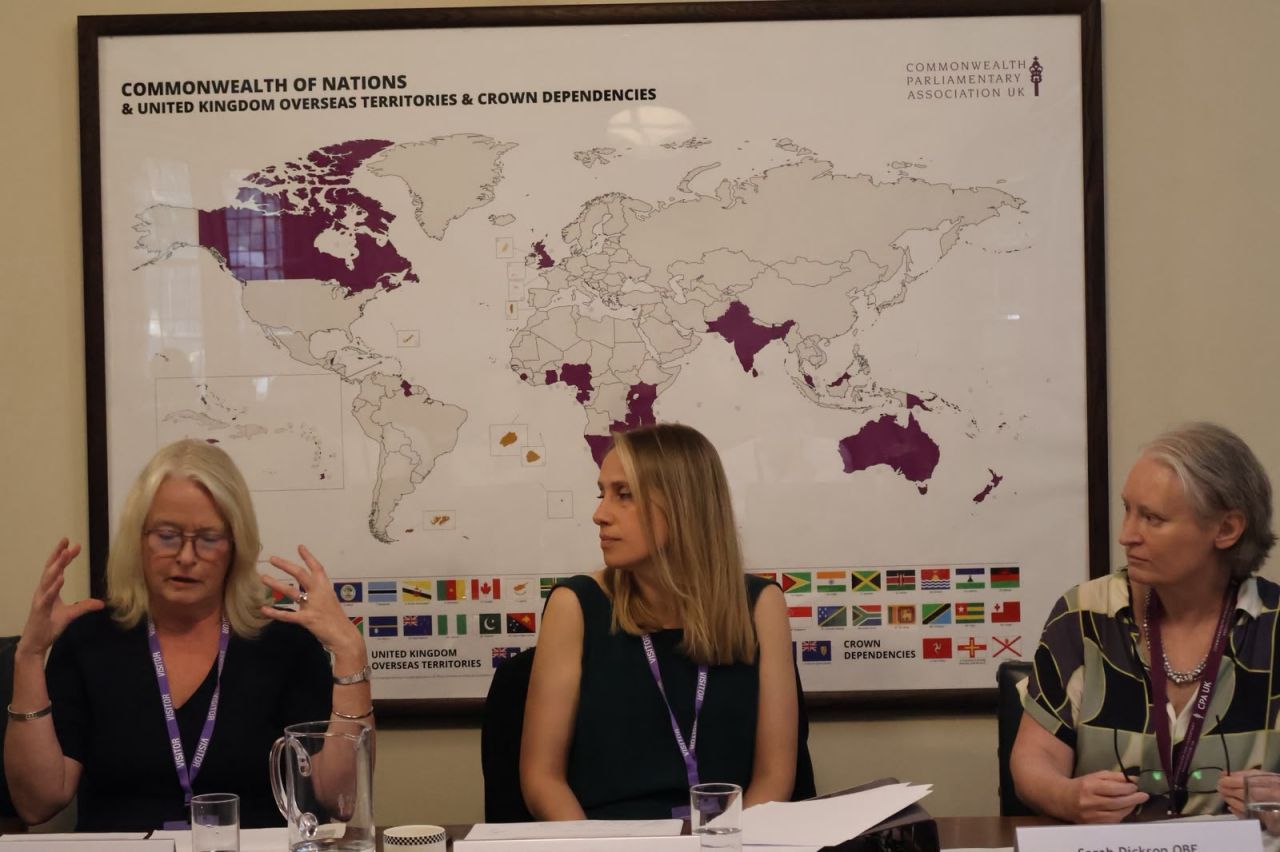
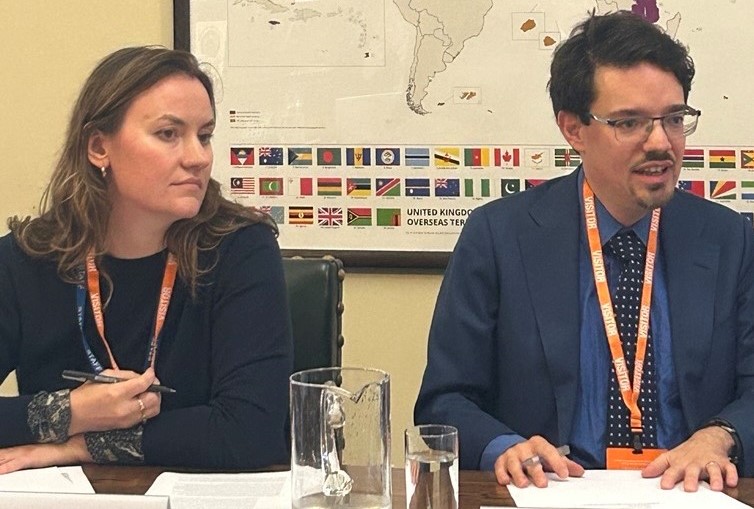
Professor Julia Davidson OBE and Imogen Parker speaking at the panel
In July, CPA UK delivered a panel event on what the UK can learn from Australia’s social media delay for under-16s. Hearing from three experts, including Julie Inman-Grant, Australia’s eSafety Commissioner, the panel covered the details of the social media age restrictions, the responsibility of social media companies and both the positive and negative impacts of social media on young people’s lives.
Global action is vital to help make the internet safer, particularly for children. This creates pressure for tech companies to adopt Safety By Design and encourages more regulatory unity internationally.
In relation to the social media minimum age, the responsibility is on industry to take reasonable steps to prevent under-16s from having accounts on their platforms.
eSafety’s investigations are ongoing and its enforcement stance remains firm.
In its March compliance update eSafety flagged a number of concerns including:
- Prompting children to attempt age assurance even where their declared age before 10 December 2025 was under 16.
- Enabling children aged under 16 to repeatedly attempt the same age assurance method to ultimately obtain a 16+ outcome.
- Failing to provide accessible or effective pathways for reporting age-restricted accounts.
- Insufficient measures to prevent new under 16 accounts being created.
The social media minimum age obligation is not only about preventing children from having accounts on age-restricted social media services. It is also about achieving cultural change and stopping companies with harmful or deceptive design features from reaching children, while providing young people with the time to build and strengthen their digital resilience.
eSafety remains confident that age-restricted platforms have the technology and resources they need to prevent Australian children under 16 from having accounts on their services.
But it also recognises there is no one-size-fits-all solution for industry, given the diversity of platforms.
eSafety took a principles-based approach to the industry guidance it published in September last year following months of deep engagement with industry. Through the guidance and consultation eSafety sought to ensure platforms understood their obligations and eSafety’s approach to compliance and enforcement.
The guidance provided for a waterfall or layered approach, which if implemented correctly, ensures there is no single point of failure. It encourages platforms to apply different measures across the user experience including accessible and timely review mechanisms to help manage the risks associated with errors in age inference or estimation.
Implementing this ‘waterfall’ approach to age verification though can achieve 90% accuracy when deployed properly by the social media companies.
Young people will also likely find ways around the ban and share these with their peers. The British Medical Journal has reported that approximately 85% of 12-15 year olds have been able to access social media in the first 3 months of their implementation despite the restrictions. A study by the e-safety commissioner’s office has found that that the proportion of under-16s holding a social media account fell from 54% to 42% over this same period, with platforms failing to implement effective age restrictions being the primary cause of under 16s still holding accounts, rather than young people taking active steps to dodge them.
eSafety has also established youth and parental advisory groups to help people understand the approach to enforcing age restrictions. More information about these can be found on the eSafety’s website.
Age restriction alone will not solve online harms
Professor Julia Davidson, Director, Child Online Harms Policy Think Tank, highlighted that while research shows some links between social media use and harms, there are also benefits. The relationship between social media and wellbeing is complex and varies. Online platforms can contribute to:
- Cyberbullying
- Mental health concerns
- Exposure to harmful content
- Self-harm and suicide-related material
- Risk-taking behaviours.
On the other hand, they can also help to:
- Build social connections.
- Reduce isolation
- Provide peer support networks
- Support vulnerable groups who may struggle with offline connections
There is little evidence to suggest a ban will reduce mental health problems. Young people will also likely find ways around the ban and share these with their peers.
Imogen Parker, Associate Director, Ada Lovelace Institute, built upon this, providing a summary of a recent joint report by the institute and the Nuffield Foundation entitled ‘I love it, but I hate it’. The report found that many young people value social media for its friendship networks and the support it provides for vulnerable or marginalised groups. Many social media accounts also serve as a source of information to support revision or help with understanding politics.
The report further emphasised the potential harms young people experience online. Once again supporting what the other speakers on the panel highlighted which is that social media companies need to be held to account. Regulation needs to be broader than social media. A focus needs to be maintained on other online platforms in addition to social media. Regulation across the board prevents the risks on social media shifting to other platforms young people may begin to use.
Professor Davidson then argued that a ban is not a complete solution. It is likely instead that risks will be moved to other platforms young people access. These areas are also less moderated, suggesting that a better safety measure would be to ensure social media companies are better regulated.
A wider digital safety framework is needed to tackle issues across all digital spaces. This helps put the pressure on social media companies and other online spaces to comply with regulations. A framework such as this would be better suited to ensure safer online spaces for young people.
If you would like to read the full notes from the briefing, please email drakejb@parliament.uk