How Saint Helena's Public Accounts Committee is Strengthening Accountability
Published 09 October 2026
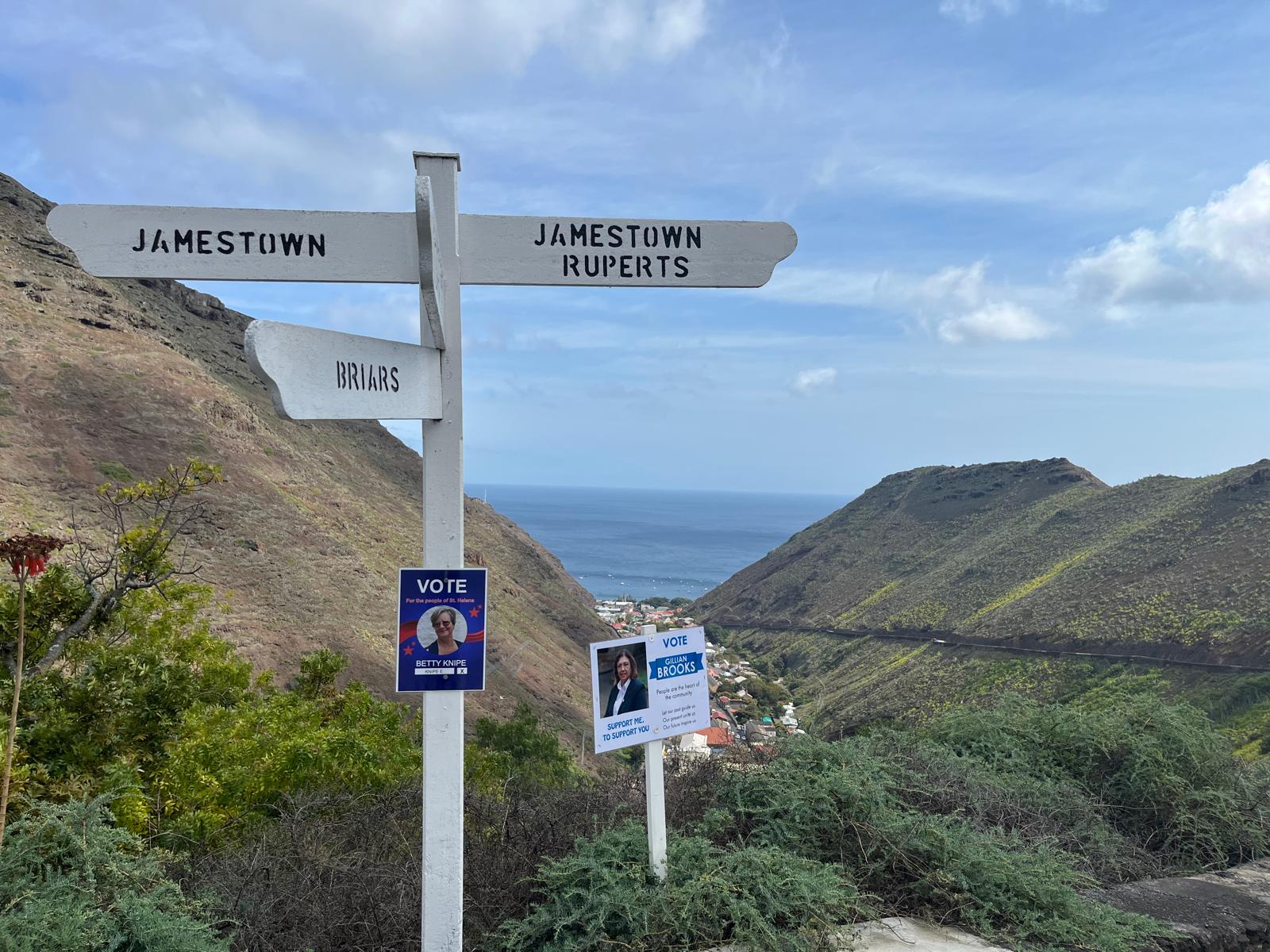
On an island of just over 4,000 people in the South Atlantic, public accountability can look very different from that of larger parliaments.
Resources are limited. The pool of people available to serve in public life is small. Parliamentary staff often wear multiple hats, and committee members balance scrutiny responsibilities alongside their day jobs.
Yet despite these challenges, Saint Helena's Public Accounts Committee (PAC) has steadily expanded its work, strengthened its scrutiny of public spending, and increased its visibility with both the public and the wider Commonwealth through the Commonwealth Association of Public Accounts Committees (CAPAC). In doing so, it has shown how even small committees can deliver meaningful oversight when they are willing to learn from others and adapt good ideas to their own circumstances.
When Chair Mark Yon reflects on the Committee's recent developments, one theme runs throughout: the importance of learning from parliamentary colleagues across the Commonwealth and Overseas Territories.
That openness to learning has become a defining characteristic of the Committee's approach.
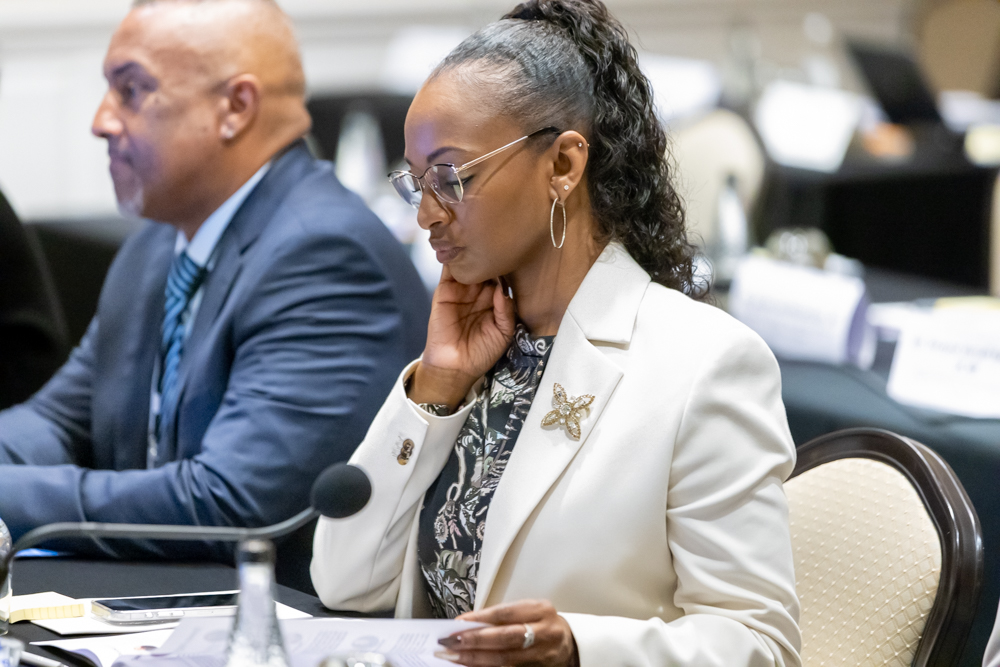
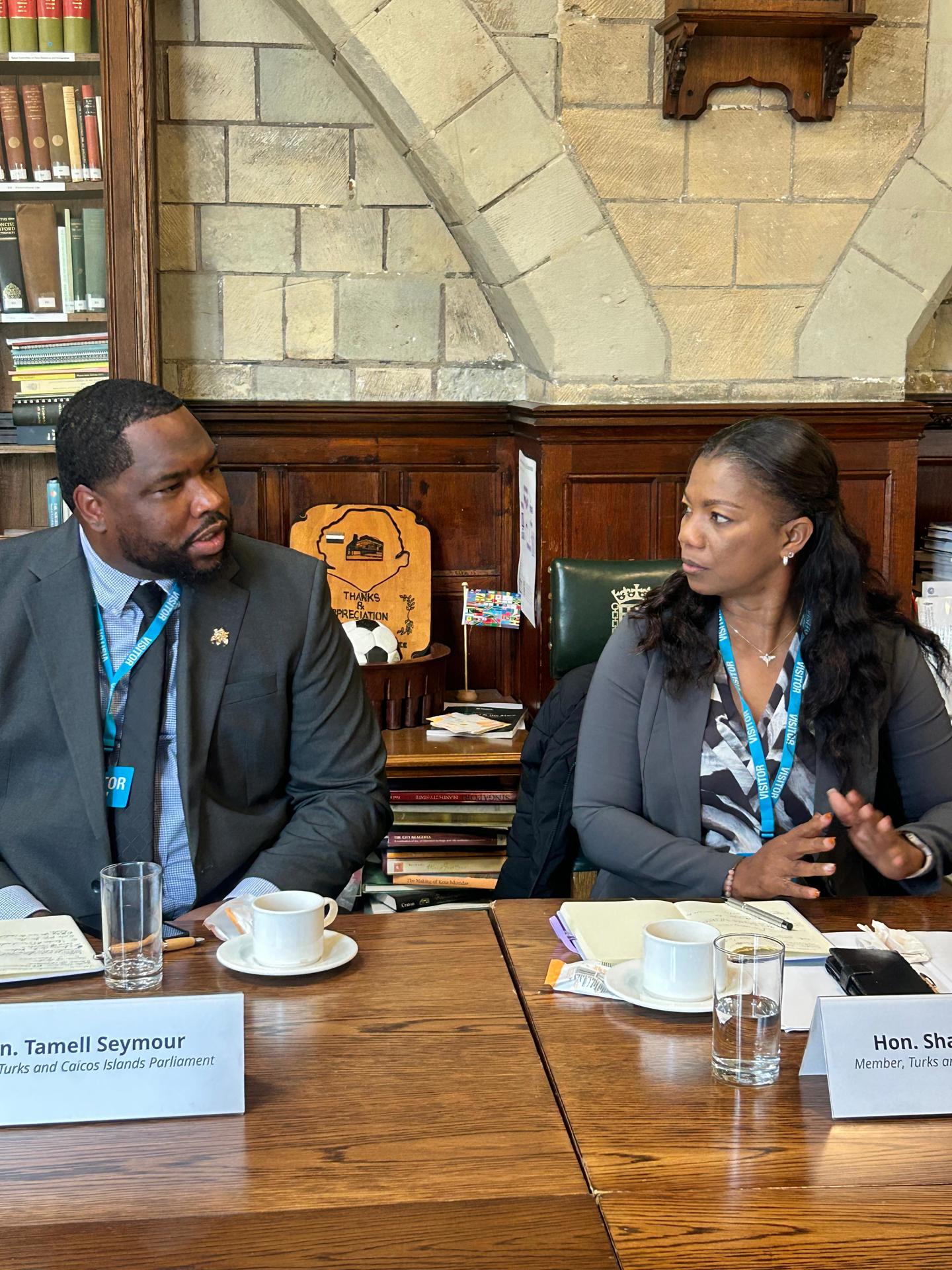
In 2023, committee members travelled to Westminster and the Senedd for a CPA UK programme focused on strengthening Public Accounts Committees. Alongside counterparts from the UK Parliament, the Senedd, and the UK National Audit Office, they explored how effective committees develop inquiries, analyse financial information, question witnesses, and engage with the public.
A particularly significant moment came in the same year when Nancy Locke, Secretary to the Falkland Islands PAC, spent two weeks working alongside the Saint Helena Public Accounts Committee. The exchange was especially relevant because the two legislatures share important similarities, including the use of an independent chair. Rather than discussing abstract theories of parliamentary scrutiny, the conversations focused on practical questions: how hearings are organised, how members prepare for evidence sessions, and how committees can maximise their effectiveness despite limited resources.
Some of the most valuable lessons came not from formal presentations, but from conversations with peers facing similar challenges.
The impact of these exchanges can be seen in the way the Committee operates today.
Following a benchmarking exercise against Commonwealth PAC standards, the Committee identified several areas for development, including public engagement, member support,and the formalisation of its procedures. As a result, a PAC handbook was developed, members receive more structured briefing material, and the Committee has adopted new ways of organising inquiries and sharing responsibilities.
Committee members now increasingly take ownership of specific aspects of an inquiry, helping them develop subject expertise and enabling more focused questioning of witnesses.
At the same time, the PAC has worked to bring its work closer to the public.
Hearings are broadcast on local radio, shared online, and promoted through social media channels. These efforts have made parliamentary scrutiny more visible and accessible, helping residents better understand how public money is spent and how government decisions are examined.
The Committee's growing confidence is also evident in the subjects it has chosen to investigate. Recent inquiries have scrutinised government expenditure, public accounts and the operations of government-owned bodies, examining issues that directly affect the delivery of public services and the stewardship of public funds.
Looking back on the Committee's development, Mark Yon sees its progress as part of a wider story of collaboration between small legislatures. While Saint Helena has benefited from learning from parliamentary counterparts across the Commonwealth and Overseas Territories, it has also found that its own experiences can offer valuable lessons to others.
Potential quote: "As well as learning from others, we are increasingly able to share our own experience. Small jurisdictions have valuable lessons to offer, and there is real benefit in parliaments learning from one another.
Saint Helena's Public Accounts Committee continues to face challenges. Like many small legislatures, it must operate with finite resources and limited capacity. Yet its recent experience offers an important lesson for parliamentary strengthening programmes across the Commonwealth.
Meaningful change does not always come from major institutional reforms. Sometimes, it begins with a conversation between colleagues, a shared experience, or a practical idea borrowed from a committee thousands of miles away.
Saint Helena's PAC is proof that when parliaments share experiences and learn from one another, even the smallest institution can achieve big results.